November 21, 2025
Parteek Singh Mahal
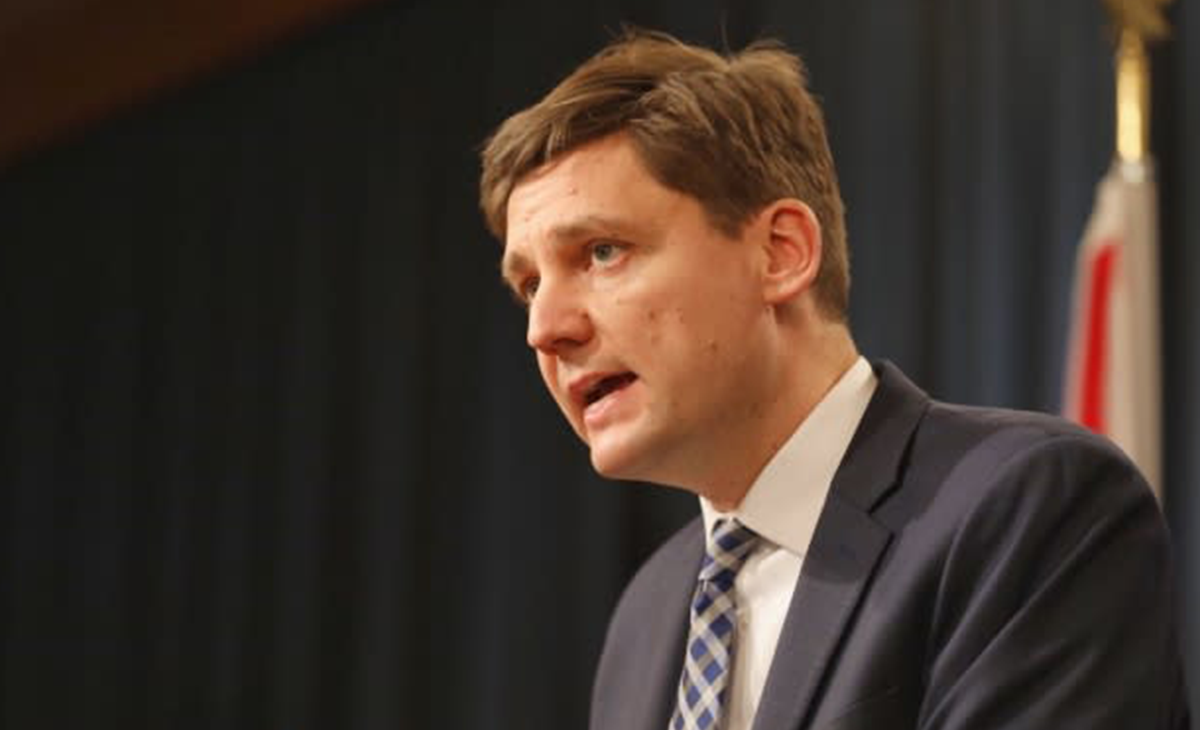
British Columbia Premier David Eby said that he has reached out to the federal government to ensure B.C.’s interests and jurisdiction are respected amidst reported interprovincial discussions about a potential new oil pipeline to the province’s North Coast.
Speaking to reporters, Premier Eby on Friday stated that he has communicated with Ottawa to stress that policy decisions impacting British Columbia—including those regarding energy infrastructure—must be made in consultation with the provincial government and its people.
“I’ve reached out to Ottawa to express that business in British Columbia would be discussed with [BC],” Premier Eby said. “My sincere hope is that Ottawa recognizes both jurisdiction, British Columbia, and also the common sense that you might want to check the locals, if you’re discussing the policy in their projects.”
The Premier did not mince words when addressing the ongoing pressure from Alberta and Saskatchewan, who have publicly advocated for the new pipeline and the potential lifting of the North Coast oil tanker ban. Eby accused the other provinces of overstepping by trying to dictate B.C.’s policies.
“This work is made more difficult when we have other provinces, specifically Saskatchewan and Alberta, coming in, trying to tell British Columbia how to run our province,” Eby asserted, specifically referencing the idea of removing B.C.’s oil tanker ban. He pledged to continue those challenging conversations with his counterparts and the federal government.
As an alternative to the proposed new pipeline, Premier Eby reiterated his preference for expanding the capacity of the existing, publicly-owned Trans Mountain Pipeline (TMX), which currently runs from Alberta to the B.C. coast near Vancouver. Eby clarified that this expansion would not require new construction, but rather optimization of the current infrastructure.
“The capacity of that pipeline can be expanded [through] traditional compressor stations, as well as [other means] to add… I see that doesn’t come inside,” Eby explained, suggesting cost-effective technological improvements like adding pumping power or drag reducing agents to increase flow.
While Eby acknowledged that his government was never supportive of the TMX pipeline, he affirmed a pragmatic approach. “We’re not enthusiastic, but we’re good partners,” he concluded. “And we’re willing to do what we can to support the future project if you need it.”


 Loading ...