December 4, 2025
Parteek Singh Mahal
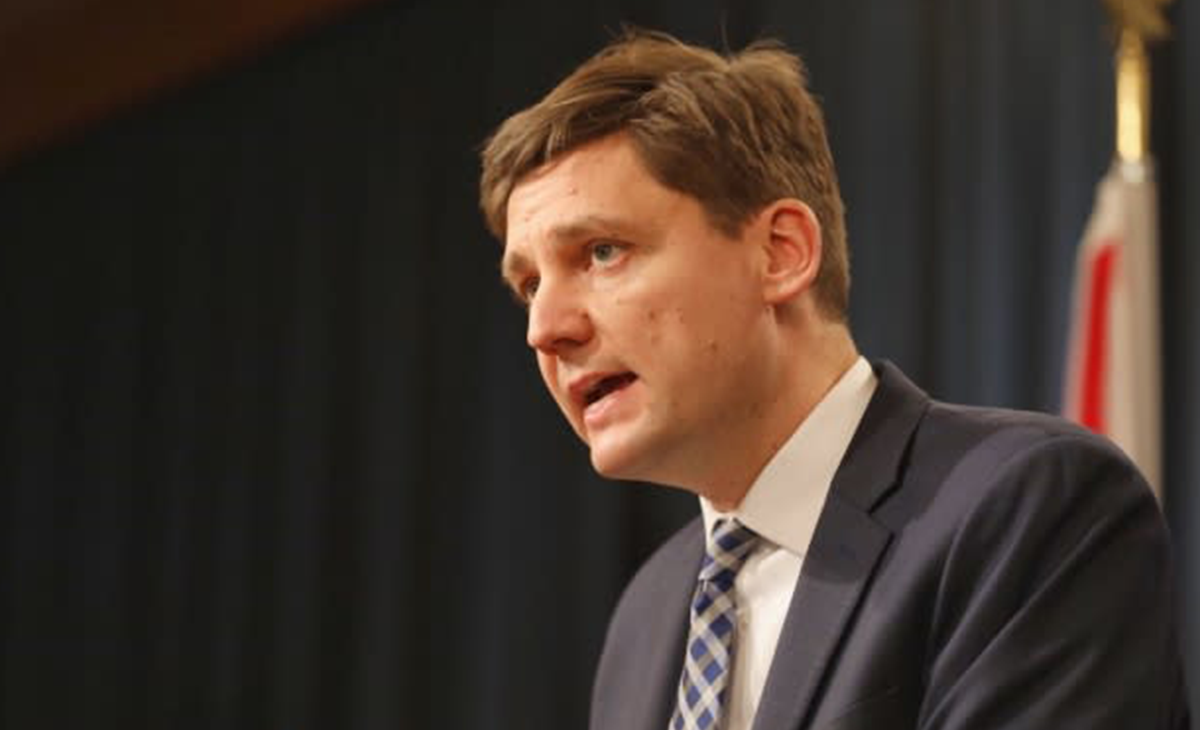
Premier David Eby has asked the federal authorities to disclose the names of individuals deported from Canada who are linked to criminal activity, arguing that public disclosure is essential for fighting the ongoing wave of extortions and shootings targeting businesses in the Lower Mainland.
Speaking on RED FM’s Harjinder Thind Show on Thursday Premier Eby addressed rising community fear and confusion over why key suspects, once deported, remain anonymous to the public.
“The public needs to know these names so that they can call in with information about what they’ve seen these individuals involved in, who they were hanging out with, who they were working with,” Eby stated.
The Premier detailed that he raised this precise issue during a recent high-level roundtable that included police forces, mayors, the federal government, and the Canada Border Services Agency (CBSA). Eby reported that CBSA lawyers cited restrictions against releasing names unless there was a direct public safety issue.
Eby challenged this interpretation, asserting that the current criminal climate constitutes a clear public safety crisis requiring transparency.
“There is a public safety issue. If somebody knows that it was their neighbor who was deported, they could call police and say, ‘I saw these things happening at the house of that guy… and that information can help advance the criminal investigation,’” he explained. He emphasized that without names, the public cannot effectively use tools like Crime Stoppers to share crucial information, such as surveillance video from doorbells or details about associates.
Lowering Charge Thresholds and Targeting Gang Leadership
In addition to pressuring federal agencies, the Premier updated the public on provincial efforts to address the crisis within the justice system. He confirmed that the Attorney General is working with the prosecution service to ensure that police files are being handled swiftly.
Eby confirmed that Crown Counsel is prepared to consider “lower thresholds for charge approval” if cases are brought forward by police. He stressed that the primary goal is not just to catch low-level, exploited offenders (such as international students) but to target the organizational structure.
“We want to get the gangster behind the international student who’s running this so that we can take it out at the roots and not just pull off a couple of leaves,” Eby said.
Federal Gun Laws and Policing Tools
When challenged on the possibility of overriding federal firearms laws—a move recently pursued by the Premier of Alberta—Eby firmly stated that overriding federal criminal code is not within his constitutional powers.
He also staunchly defended the existing federal firearms framework, arguing it provides critical tools for law enforcement. Eby pointed to recent police actions in Prince George and the Fraser region, noting that federal rules were essential for police to seize guns and disrupt criminal activity.
“Our goal is to get police as many tools as we can to disrupt criminal activity,” he concluded, suggesting that compromising federal laws would embolden the very criminals responsible for the extortion and gun violence facing the community.



 Loading ...