January 6, 2025
Parteek Singh Mahal
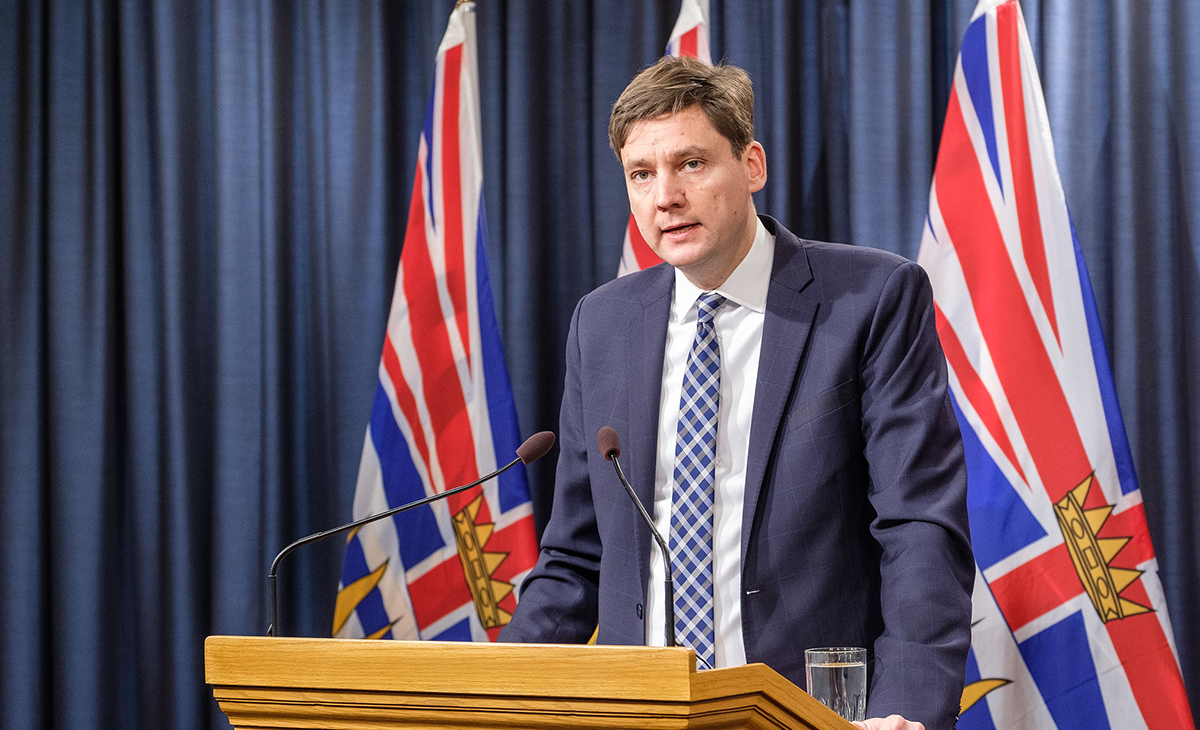
In a fresh move to safeguard British Columbia’s economy against global instability, Premier David Eby on Tuesday announced a high-stakes trade mission to India this week. Accompanied by Jobs Minister Ravi Kahlon, the Premier will visit major economic hubs including New Delhi, Chandigarh, Mumbai, and Bangalore to reduce the province’s reliance on the United States market.
The mission comes at a critical juncture for Canada. Following a year of economic pressure from the Trump administration—including aggressive tariffs that have hit BC’s forestry sector particularly hard—the provincial government is looking to India to provide much-needed resilience.
“India is on track to be the third-largest economy in the world,” Premier Eby stated at Canada Place. “British Columbia is already India’s largest trading partner within Canada, and we are looking to expand that. By deepening these ties, we provide support to communities across the province that have been impacted by U.S. tariffs.”
Minister Ravi Kahlon highlighted that BC accounts for 25% of all Canadian exports to India, with bilateral trade reaching $2.1 billion in 2024. The mission will focus on key sectors including forestry, clean energy, life sciences, and the province’s thriving tech industry, which boasts over 12,000 companies.
The trade mission is notable not just for its economic goals, but for its timing amidst a complex diplomatic landscape. While Premier Eby emphasized “deep people-to-people ties,” the mission proceeds against a backdrop of cooled relations between Ottawa and New Delhi over the past year.
Despite federal-level tensions, BC is positioning itself as an independent economic actor. Eby’s strategy suggests that sub-national engagement may be the primary vehicle for maintaining Canada’s economic footprint in South Asia while official diplomatic channels remain strained.
When questioned about the immediate impact of such missions, Eby acknowledged that while trade relationships are long-term projects, the current “global upheaval” creates a unique window of opportunity. He noted that India, also a target of U.S. tariffs, is equally motivated to find stable, alternative partners.
The Premier also touched upon the energy crisis sparked by changes in Venezuela, suggesting that Canada should focus on energy independence through domestic refineries rather than relying on U.S. oil products.
“No matter what happens in the global space, our relationships will carry us through,” Minister Kahlon added, reinforcing the province’s ‘Look West’ economic strategy to double exports and strengthen BC’s role as Canada’s gateway to the Pacific.
The delegation is expected to depart shortly, with the province looking for swift progress in securing new market access for BC’s resources and innovation.
The most pointed questions centered on the timing of the India mission, given the strained diplomatic history following the murder of Hardeep Singh Nijjar in Surrey. When questioned whether the Premier was concerned about strengthening ties with a government previously accused by Ottawa of involvement in the killing of a Canadian citizen, Eby acknowledged the “profound concern” British Columbians feel regarding the murder but emphasized that criminal proceedings are now underway in the courts. He drew a clear line between federal diplomacy and provincial economic interests.
“The federal government is engaged with the Indian government on issues of shared concern… Our proper role as a province is to ensure we’re looking after British Columbians,” Eby stated, noting that sectors like softwood lumber—hard-hit by Trump’s tariffs—desperately need the Indian market.



 Loading ...