February 3, 2026
Parteek Singh Mahal
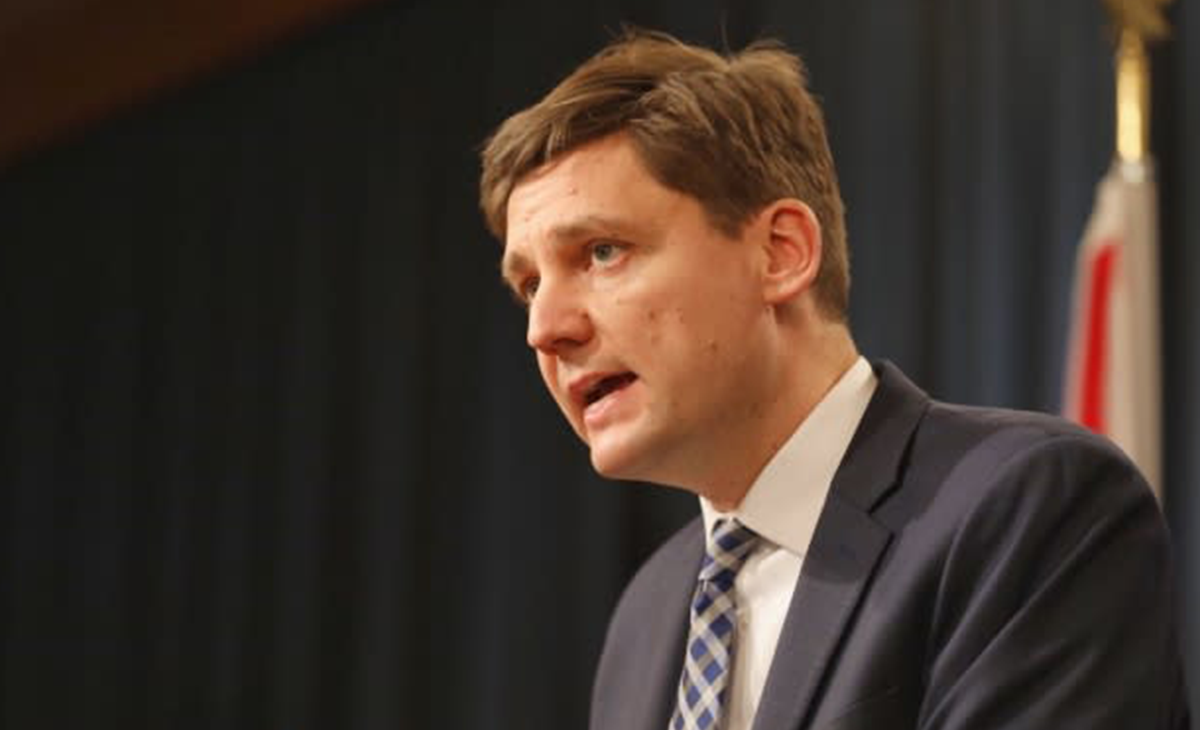
Comparing the recent surge in extortion threats across British Columbia to a “slow-motion terror attack,” Premier David Eby announced a major shift in the province’s strategy to dismantle organized crime. Premier Eby on Tuesday announced to form a Community Advisory Group designed to work directly with the anti-extortion task force and said province has reached a “mutual agreement” with Surrey Mayor Brenda Locke on appointment of member of Surrey Police Board.
The new measures focus on bridging the gap between law enforcement and the lived reality of residents in the Lower Mainland. Premier Eby highlighted a significant disconnect (or “gap”) between official police reports, which claim the situation is under control, and the harrowing accounts from business owners, developers, and realtors who report inconsistent police responses.
“When I meet with police leadership, they assure me they are on top of this. When I meet with community leadership, they say that is not their experience,” Eby said. To address this, the province will appoint community members to the advisory group to ensure police understand the “frontline experience” of those facing threats south of the Fraser. The chair of this group is expected to be named tomorrow.
In an effort to end the long-standing political friction between the City of Surrey and the provincial government, Premier Eby revealed a “mutual agreement” with Mayor Brenda Locke regarding the Surrey Police Board.
To ensure the board reflects local priorities and regains public trust, the province has allowed existing board appointments to lapse. Moving forward, vacancies will only be filled by candidates who are mutually agreed upon by both the Mayor’s office and the Provincial Minister of Public Safety. This collaborative approach aims to create a unified leadership that is more responsive to the specific needs of Surrey residents, particularly regarding public safety and extortion.
The Premier also issued a sharp plea to the federal government to expedite Bills C-12 and C-14. He specifically targeted a loophole where suspects under investigation for serious crimes can delay deportation by claiming refugee status—a situation he called “ludicrous,” especially when the suspects are being returned to India.
Furthermore, Eby criticized current privacy laws that prevent the Canada Border Services Agency (CBSA) from identifying deported foreign nationals who were involved in criminal activity. He is currently pushing Ottawa for “Public Safety Exemptions” to allow these names to be released to the community as investigative leads.
Eby expressed deep concern over “inconsistent communications” between the Surrey Police Service and the extortion task force, which has left the community feeling that agencies are not working in coordination. Following a meeting with RCMP Commissioner Mike Duheme, Eby confirmed that efforts are underway to unify messaging across all local and federal services.
While the Premier evading question on dedicated helicopter exclusively for Surrey, noted that two RCMP helicopters are currently deployed in the region for suspect surveillance. He also confirmed that Norm Lipinski will remain the Chief of the Surrey Police Service.
The announcement was met with skepticism from B.C. Conservative interim leader Trevor Halford, who argued that an advisory group is insufficient. Halford stated that without increased arrests, significant jail time, and consistent deportations, the extortion crisis will not be resolved.



 Loading ...