November 24,2025
RED FM News Desk
B.C. Premier David Eby says any potential energy agreement between Alberta and the federal government must include limits—or even a full ban—on the use of taxpayer money to build a new pipeline.
Eby said that Prime Minister Mark Carney told him the deal with Alberta is not yet finalized, and Eby used their conversation to lay out B.C.’s concerns. Speaking to reporters in Victoria on Monday, he said he spoke with Carney earlier that morning about the upcoming memorandum of understanding (MOU) between Alberta and Ottawa.
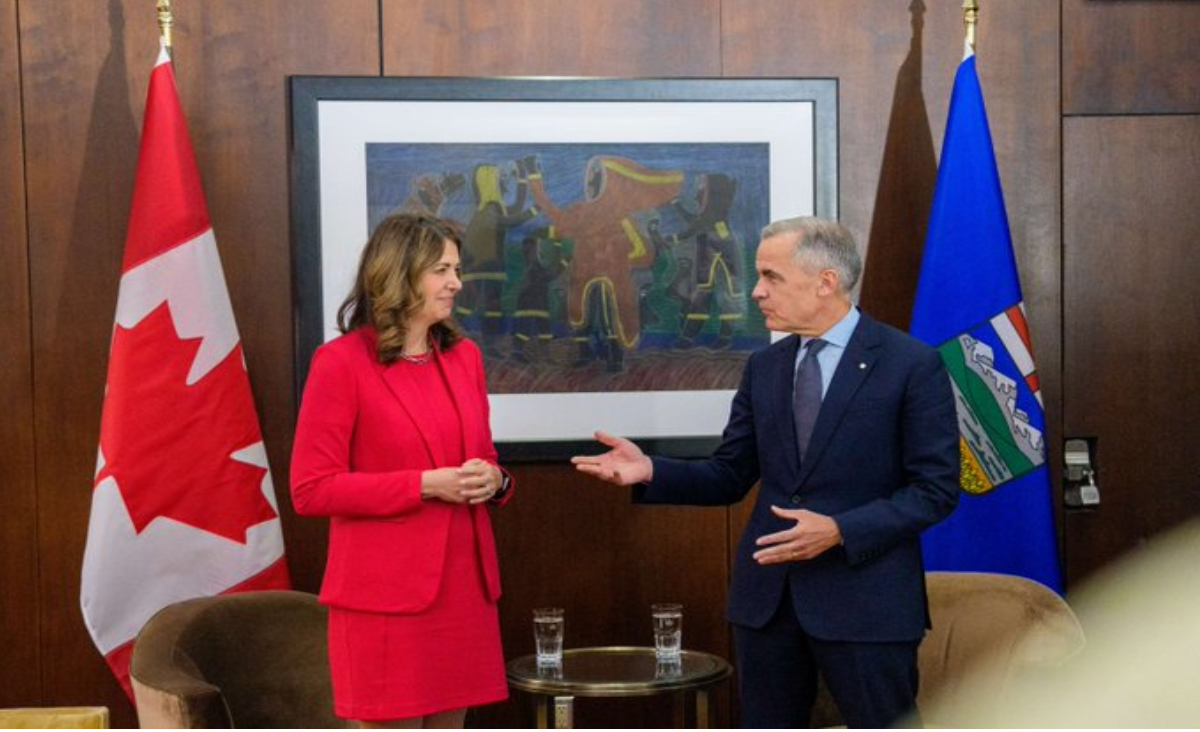
According to multiple provincial and federal sources, Carney and Alberta Premier Danielle Smith are expected to unveil a deal later this week. The MOU may include changes to the industrial carbon price and federal support for a new pipeline from Alberta to the West Coast—something that could require an exemption from the federal tanker ban. Sources say such an exemption could potentially be built into Bill C-5, the One Canadian Economy Act, which created the new Major Projects Office (MPO).
Last week, Eby said he was “surprised” by leaked details of the deal, claiming he first learned about them through media reports. He said he told Carney it was “unacceptable” for B.C. to be excluded from the discussions.
“I emphasized to the prime minister how unacceptable it was to have Saskatchewan and Alberta discussing matters that directly affect British Columbia without B.C. at the table,” Eby said. “This is not something that would ever happen to Quebec or other provinces.” He added that he expects B.C. to be included going forward and hopes his feedback is reflected in the final agreement.
Eby also told Carney that support from coastal First Nations is essential for any proposed Alberta project to proceed. “At a minimum, coastal First Nations must be part of these conversations,” he said.
In Ottawa, Energy and Natural Resources Minister Tim Hodgson told a House of Commons committee that he wouldn’t comment directly on a potential tanker ban exemption. However, he said the federal government is willing to work with project proponents who have the backing of First Nations and the relevant jurisdictions. Hodgson added that the Alberta deal is “getting close” and Canadians should expect “more clarity soon.”
Before leaving the G20 summit in South Africa on Sunday, Carney said negotiations with Alberta were ongoing and “constructive,” though still not complete. When asked whether he was trying to pave the way for a new West Coast pipeline, he instead highlighted his government’s broader nation-building agenda—major investments intended to strengthen Canada, reduce reliance on the U.S., ensure Indigenous support, and align with climate goals.
While Carney has announced two rounds of major projects being sent to the MPO, neither included an Alberta-to-B.C. oil pipeline. Smith has said Alberta plans to submit a pipeline proposal to the MPO next year and intends to use private-sector investment to finance the project. Alberta is still doing technical work before submitting the proposal, with a target of spring.
Tensions between Eby and Smith over a potential new pipeline have been simmering for months and escalated in October after Smith announced Alberta would fund initial planning for a project even without a private-sector proponent.


 Loading ...