March 18, 2026
RED FM News Desk
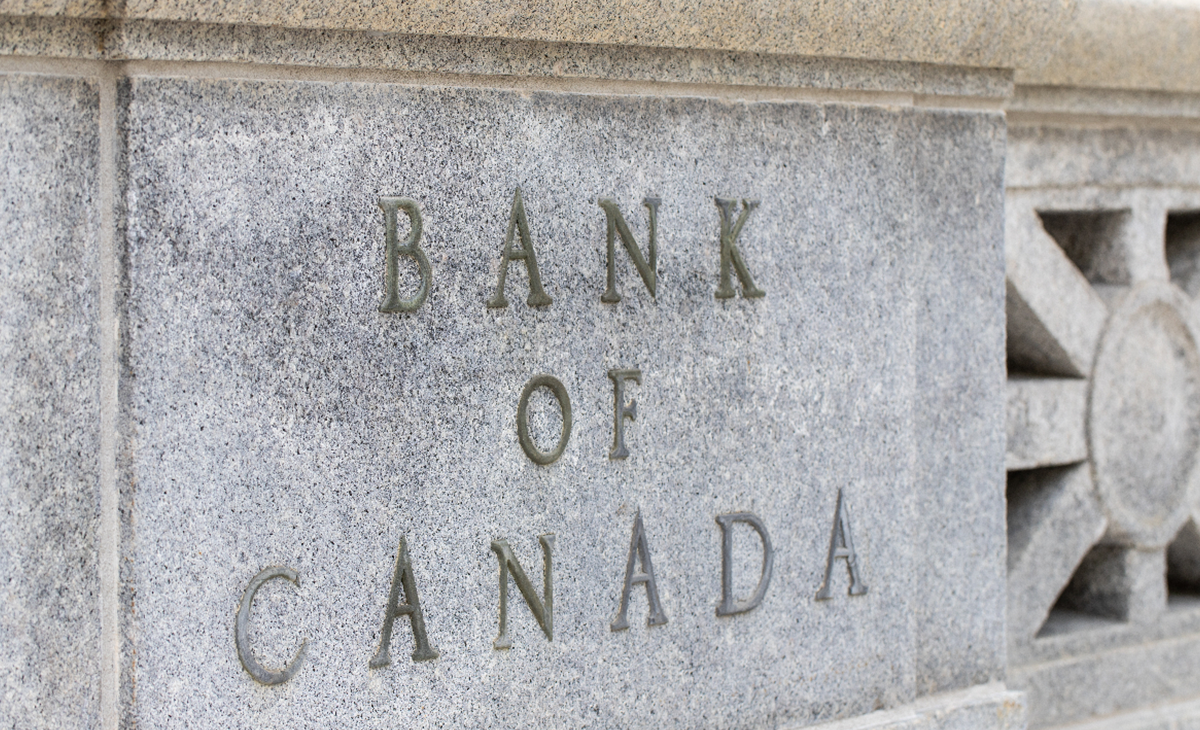
The Bank of Canada has announced its decision to maintain its benchmark interest rate at 2.25%, marking the third consecutive time the policy rate has remained steady. The decision comes as the central bank navigates a complex landscape of weakening domestic economic performance and rising inflationary pressures driven by global instability.
The move was widely expected by economists but highlights a growing “dilemma” for the central bank. While the Canadian economy is performing more poorly than anticipated, the ongoing conflict in the Middle East has triggered a surge in global oil prices. This spike is already being felt at gas stations across Canada, threatening to reverse recent progress made in cooling inflation.
Bank of Canada Governor Tiff Macklem noted that while inflation dipped below the 2% target in February, rising energy costs could push prices upward in the coming months. The economic backdrop remains grim; data from Statistics Canada reveals that approximately 100,000 jobs were lost in the first two months of 2026. Furthermore, following a decline in GDP during the fourth quarter of last year, the current economic recovery is moving at a significantly slower pace than projected.
Governor Macklem clarified that the bank is currently caught between two difficult paths: raising rates to curb energy-driven inflation could further weaken an already fragile economy, while cutting rates to stimulate growth risks letting inflation spiral out of control.
The Bank of Canada stated it is closely monitoring the immediate impacts of the war and stands ready to take action if necessary. The next update on the economy and interest rates is scheduled for the bank’s upcoming meeting on April 29.



 Loading ...