January 14,2026
RED FM News Desk
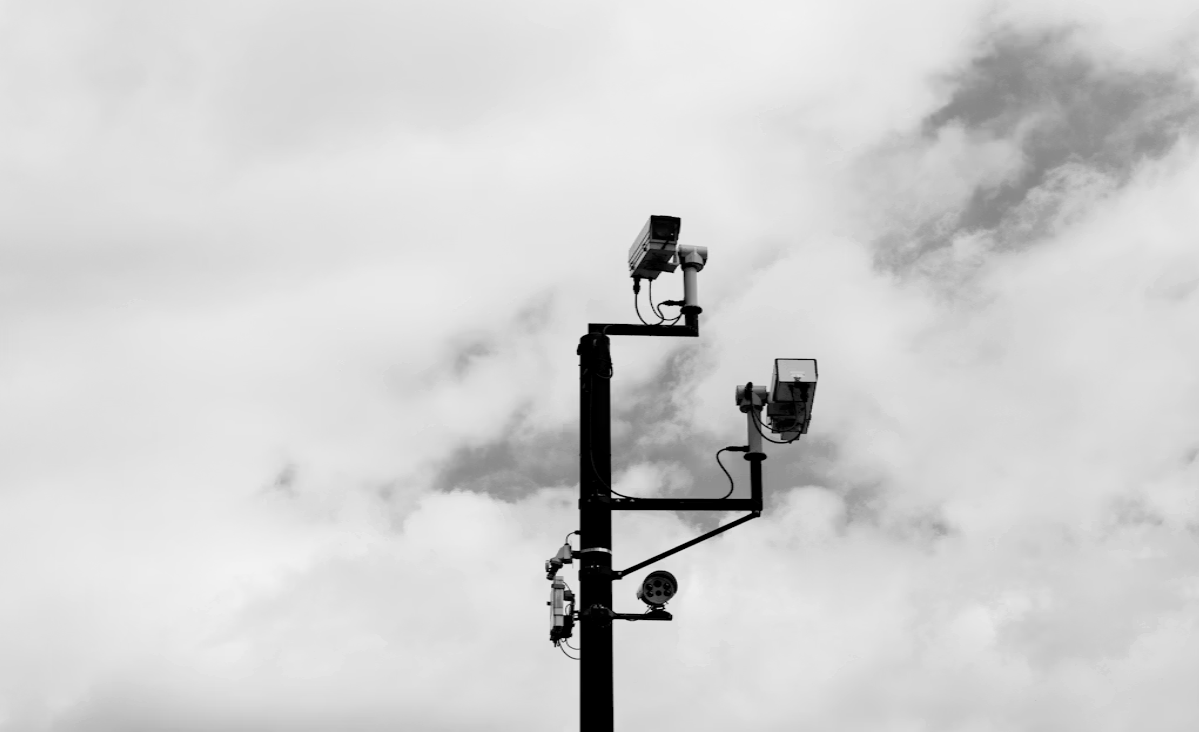
A Metro Vancouver city has been ordered to remove surveillance cameras from a major intersection and erase all footage collected after B.C.’s privacy watchdog found the system violated provincial law.
The Office of the Information and Privacy Commissioner (OIPC) ruled that Richmond’s Public Safety Field Camera System, installed last year at Minoru Boulevard and Granville Avenue, breached the Freedom of Information and Protection of Privacy Act. The findings were released Wednesday.
The system used ultra-high-definition cameras to record individuals, license plates, and vehicle details, with the intention of sharing the information with the RCMP to identify criminal suspects.
The cameras were installed in February despite prior warnings from the OIPC that the project did not comply with privacy legislation, which strictly limits when public bodies can collect and use personal information.
After investigating, the commissioner’s office concluded Richmond lacked legal authority to collect personal data in the way it had intended. “It is not enough for a public body to have an interest in criminal law enforcement,” the OIPC said. “The public body must have a statutory mandate to enforce criminal laws,” which rests with the RCMP.
The order to dismantle the cameras and delete all footage came after Richmond declined to voluntarily follow earlier recommendations to do so.
Privacy Commissioner Michael Harvey said the case serves as a warning to other municipalities. “There are circumstances that justify surveillance, but it must be limited and proportional,” he said. “Organizations must first determine whether they have the legal authority to collect personal information. In this case, the City of Richmond does not.”
Harvey also highlighted the broader societal risks of expanding surveillance technologies. “Surveillance, especially with today’s capabilities, can be corrosive to our social fabric,” he said.
He urged other cities to review the report before pursuing similar initiatives and called on the province to regulate technologies that capture biometric data to ensure surveillance practices remain lawful, necessary, and proportionate. “Privacy is a core democratic value. Protecting it is essential to a free and healthy society,” Harvey added.



 Loading ...