November 3,2025
RED FM News Desk
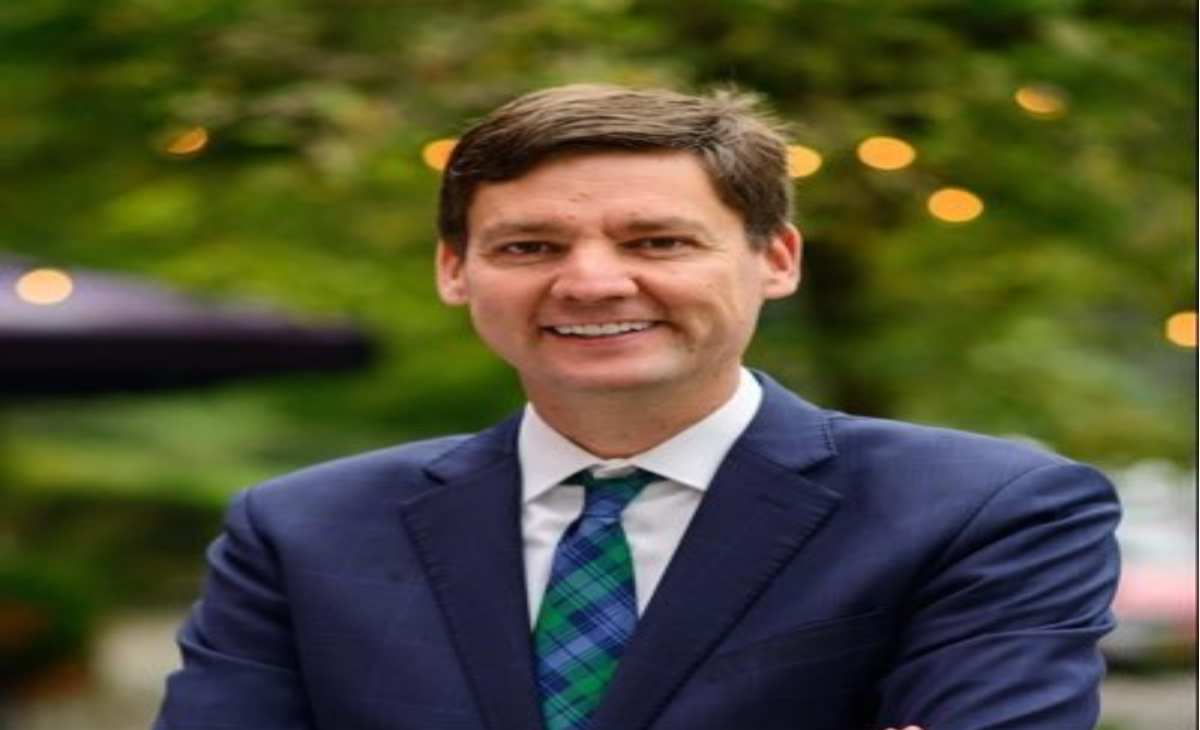
B.C. Premier David Eby says the province will not run anti-tariff ads targeting Americans on its own.
Speaking alongside Dominic LeBlanc, the federal minister responsible for Canada-U.S. trade, Eby explained that the decision ensures B.C.’s communications are coordinated with federal officials as discussions continue over U.S. softwood lumber tariffs.
When asked if LeBlanc requested B.C. to pause the campaign, Eby replied, “Minister LeBlanc didn’t have to ask. I knew it was causing anxiety for many people, including potentially the federal government.”
The move follows a situation last month where U.S. President Donald Trump blamed Ontario’s anti-tariff ad campaign for canceling trade talks with Canada. The B.C. ad campaign had been discussed at a Vancouver summit on supporting the forest industry amid U.S. tariffs.
Eby said that after seeing Ontario’s experience, he committed to the federal government that any communications or strategy would be coordinated if federal officials joined B.C. at the negotiating table. He emphasized that LeBlanc and his team sought an “integrated approach”, and future messaging aimed at the U.S. will now be aligned with Ottawa.
Highlighting the significance of the sector, Eby noted that Canada’s forest industry is larger than the automotive sector and deserves careful consideration. He expressed confidence that the federal government recognizes this and welcomed the federal support, saying it strengthens B.C.’s position in communications with Americans.
The Trump administration has imposed anti-dumping and countervailing duties on Canadian companies ranging from 26% to over 47%, and last month threatened an additional 10% tariff, citing national security concerns.
Eby also announced the formation of a working group to provide support for the forestry sector. Kim Haakstad, president of the BC Council of Forest Industries, welcomed the collaboration, noting it will help keep mills open and people employed, prioritize a new softwood lumber agreement, and accelerate deployment of $1.2 billion in federal funds for the industry.


 Loading ...