September 23, 2025
Parteek Singh Mahal
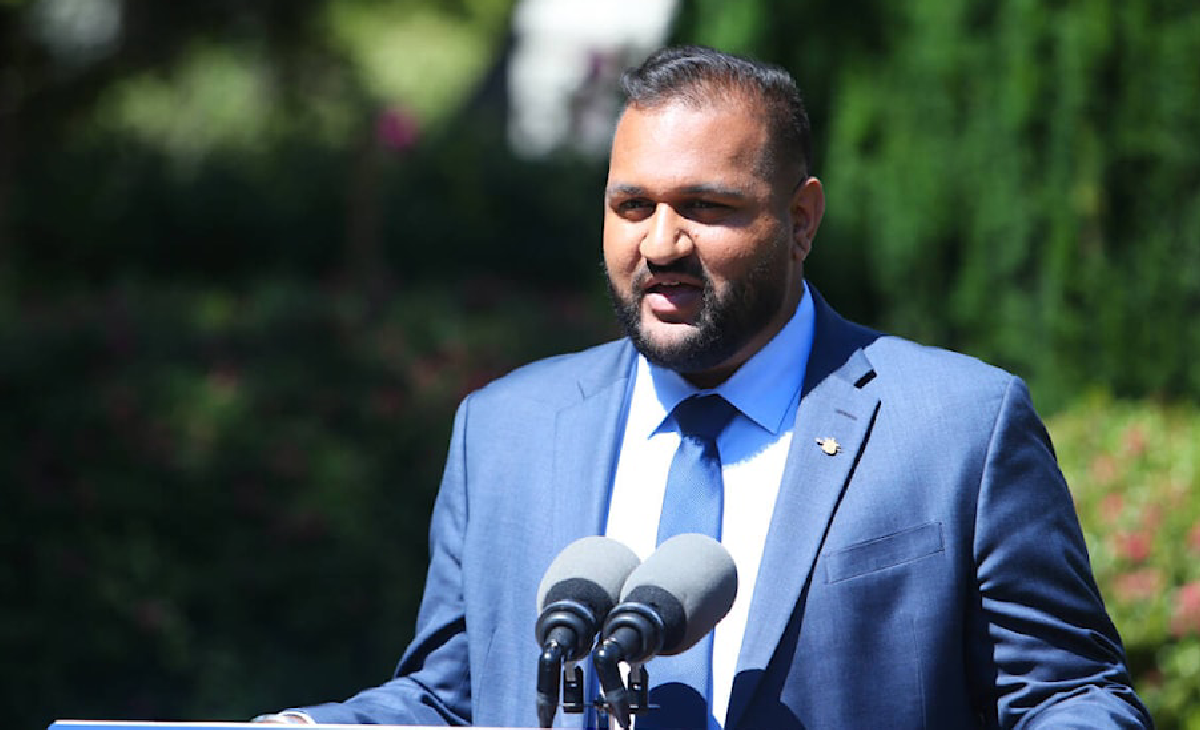
Minister of Forests Ravi Parmar has asserted that a long-term softwood lumber deal is essential, urging the U.S. to recognize its dependence on B.C.’s exports.
While addressing a press briefing Parmar gave reference of U.S. Ambassador to Canada Pete Hoekstra’s recently comments that “the U.S. may need lumber or building materials from someone other than just the United States.” Quoting this, Parmar emphasized B.C.’s position as the world’s second-largest exporter of softwood lumber, behind only Russia.
He then put the decision to the U.S., saying, “British Columbia or Russia, the United States, you’ve got a decision to make… I’ll leave it to Trump to make up a call, British Columbia or Russia.”
He expressed confidence that with cooperation from federal counterparts, the choice should be an easy one.
The British Columbia government is expanding the mandate of BC Timber Sales (BCTS) to strengthen the forestry sector, a move motivated in part by the ongoing U.S. trade war and global market pressures. Parmar highlighted the 35% duties on Canadian softwood lumber as a key factor putting local livelihoods at risk. The move, announced by Parmar, comes in response to recommendations from the BCTS Task Force.
He emphasized that with the current political climate, which includes trade-related challenges from U.S. President Donald Trump, the province needs to take “bold and decisive action.”
Detailing the new direction for BCTS, Minister Parmar explained that the expanded mandate is the result of a review that was long overdue, being the first in two decades.
The new mandate focuses on four key pillars to build a resilient and thriving forest economy, creating thriving communities with good jobs, supporting manufacturing diversity, particularly for value-added wood products, strengthening partnerships with First Nations and communities and fostering resilient forest ecosystems.
Parmar stated that BCTS will now be “unshackled” from legislative constraints that have prevented it from reaching its full potential. The goal is to revitalize forest communities, bring local logs to local mills, and expand strategic investments in the value-added sector.
He said the government has already begun implementing several of the 54 recommendations from the task force. Immediate actions include, doubling the timber supply for value-added wood manufacturing companies to 20% of BCTS forestry licenses, making it easier for smaller companies to bid on auctions in groups, auctioning off commercial thinning sales to improve forest health and protect against pests and wildfires and increasing the use of prescribed fire in forest management and wildfire risk reduction planning.
Additionally, Parmar announced the expansion of three community forests in Vanderhoof, Fraser Lake, and Fort St. James. He noted that community forests empower local communities by allowing them greater control over their economic resources and futures, while ensuring local logs support local facilities. He promised to expand the program to more communities across the province.


 Loading ...