July 14, 2025
Parteek Singh Mahal
As summer’s heat intensifies, the B.C. provincial government is taking “proactive steps” to prepare for and respond to drought conditions, while urging British Columbians to do their part in conserving water.
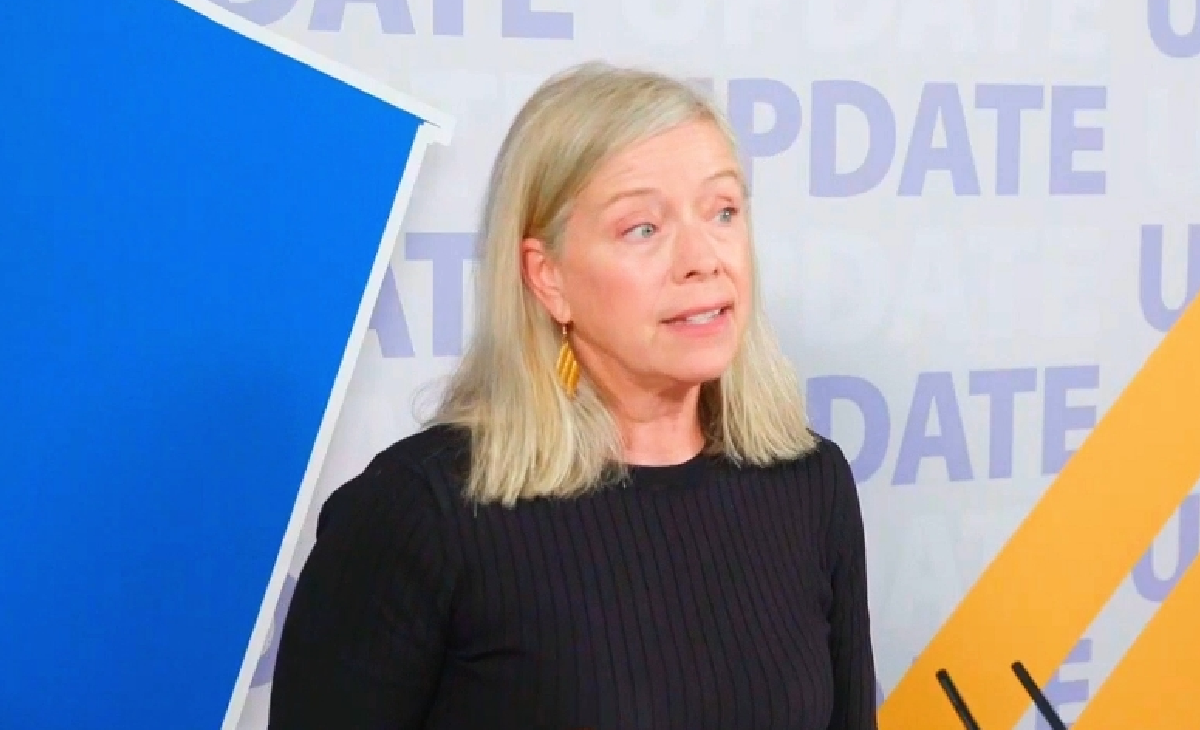
On Monday morning, Water, Land, and Resource Stewardship Minister Randene Neill highlighted success stories of voluntary water reduction. She shared how ranchers in the Nicola Valley voluntarily curtailed their water use for years, successfully avoiding stricter regulations.
“Their success is an example of what’s possible when we all work together and we get on the same page to reduce our water use. Voluntary conservation remains our first step,” Neill emphasized.
The ministry reports that most weather stations across the province are indicating below-normal to well-below-normal streamflows.
“Voluntary conservation remains our first step, but when the stream flows drop to critical levels and vulnerable species are at risk, we also must consider regulatory action,” Neill explained. She clarified that protection orders are always a last resort, but may become necessary to safeguard critical fish and aquatic ecosystems.
Residential Water Use Under Scrutiny
The minister also pointed out that residential water use accounts for as much as 70 percent of total water consumption during the summer months. Neill appealed directly to residents to make small, impactful changes.
“We’re asking everybody listening today to be able to do those tiny little things that they may think won’t make a difference, but it absolutely does so,” Neill urged. “For example, if you’re washing your fruit or vegetables, don’t do it in the sink; do it in a bowl, and then use that bowl and go dump it on your tomatoes or raspberries. Don’t wash your car every weekend. Don’t water your lawn every day. Follow the rules and restrictions that are put in place to voluntarily reduce water that will help conserve our water during August and September, when we typically have the highest level of drought conditions.”
Drought Conditions Already Present Across BC
According to the latest statistics from Agriculture and Agri-Food Canada, several areas are already experiencing drought conditions. These include parts of northeastern B.C., central B.C., the Okanagan, and sections of the East and West Kootenays.
The province’s online drought portal indicates that 51.5 percent of B.C. is currently classified under drought level 2, which is considered “abnormally dry.”
David Campbell with the BC River Forecast Centre explained that this year’s challenges stem from a historically low snowpack. In April, the province was at only 79 percent of its normal snowpack rate.
“We ended the snow season about two to three weeks early. And what that means is that water that was available in the snowpack really has moved through the systems early, and that can contribute to pressure as we go through the latter part of the year,” Campbell noted. “We are seeing some at more adverse conditions this year in comparison to last year.”
For its part, the province stated it is “investing in practical solutions and is working closely with First Nations, local governments, industry, and the agricultural sector to manage water wisely and protect long-term water security.”
Neill concluded by emphasizing the effectiveness of voluntary measures over strict regulations. “We know that when we ask people and start that education early to understand that if they do this on a voluntary basis, because they know it’s the right thing to do to help prevent water scarcity in the summer, that they will continue to do it. If they’re forced to do it, they don’t want to do it.”



 Loading ...